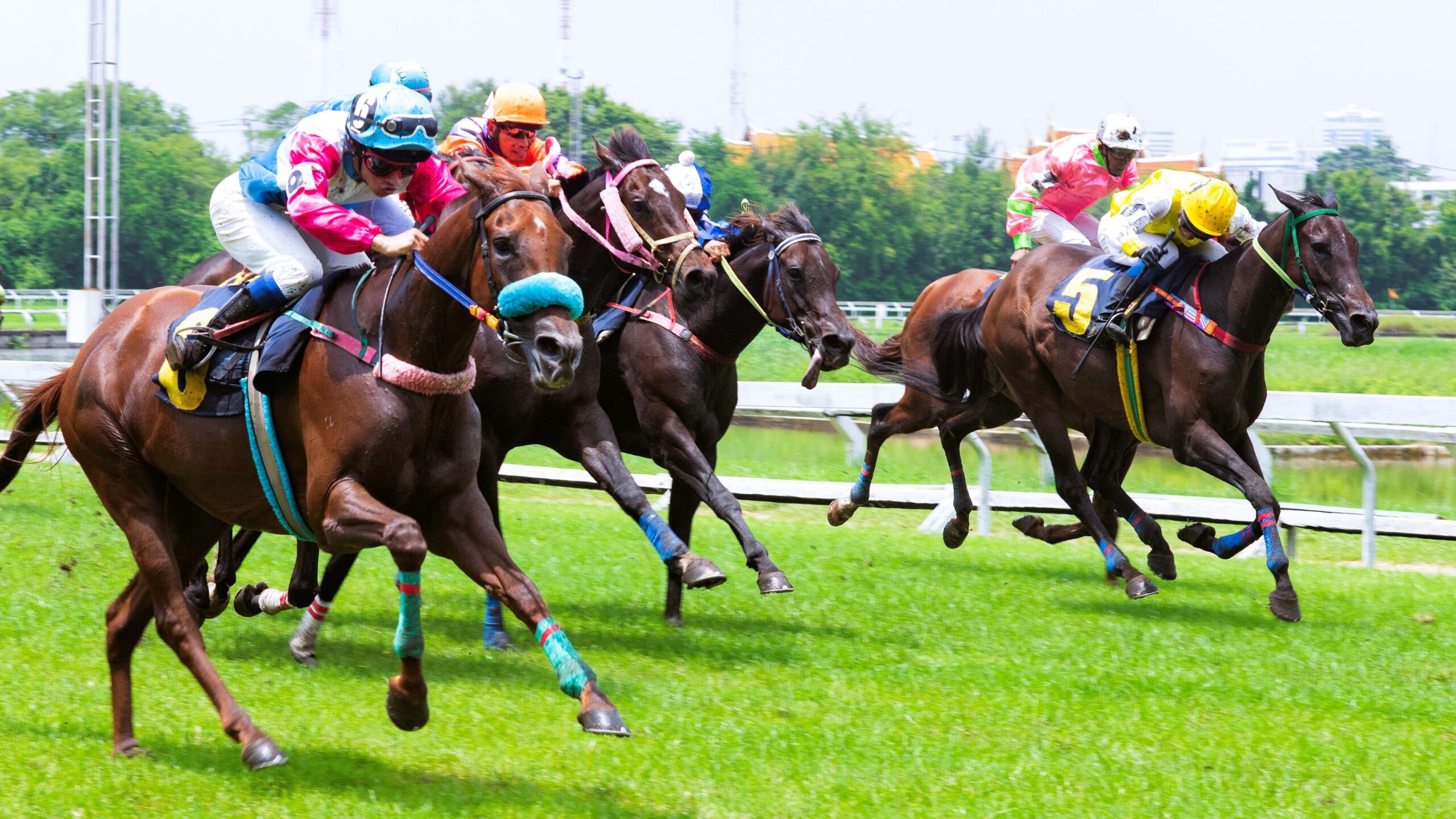
Horseracing is more than just a sport in South Africa—it’s a vibrant horse racing South Africa cultural pastime, packed with excitement, strategy, and plenty of opportunities to win some cash. If you’re new to betting on horse racing in South Africa, this guide is tailored just for you. We’ll break down everything from understanding the races to placing smart bets, all while keeping it simple and engaging.
Understanding Horse Racing in South Africa
Horse racing in South Africa is more than just a sport; it is a cherished tradition with a history that stretches back over a hundred years. The country boasts some of the most iconic and historic racecourses in the world, including Greyville in Durban and Turffontein in Johannesburg. These venues aren’t just places where horses race—they are cultural landmarks where communities come together every weekend to celebrate the sport. The atmosphere at these racecourses is electric, filled with anticipation, cheers, and a shared passion that makes horse racing a unique part of South African life.
The sport itself offers a fascinating blend of excitement and heritage. Unlike many other sports, horse racing combines raw athleticism with centuries-old customs, creating a timeless appeal. South African horse racing has evolved over time but remains deeply connected to its roots. This connection to tradition adds layers of meaning to each race, making the experience far more than just watching horses sprint around a track. For those who attend or watch, it’s about being part of a story that’s bigger than the sport itself—a story that includes breeders, trainers, jockeys, and passionate fans.
Betting on horse racing is one of the biggest draws for many enthusiasts. However, it’s important to realize that betting is not purely a matter of chance. Success in horse race betting often hinges on a mix of strategy, deep knowledge, and sometimes just a gut instinct. Savvy bettors study form guides, analyze jockey and trainer statistics, and keep a close eye on race conditions before placing their wagers. This strategic approach transforms betting from a simple gamble into a rewarding intellectual challenge, adding a thrilling dimension to the races.
For many South Africans, the combination of excitement and potential financial reward is irresistible. The thrill of watching a well-placed bet come through is unlike any other. It’s this intoxicating blend of passion, knowledge, and possibility that keeps bettors coming back week after week, year after year. Horse racing in South Africa is not just a pastime; it’s a lifestyle filled with moments of high drama, community spirit, and the hope of victory.
Getting to Know the Basics: How Horse Racing Works
| Aspect | Description | Common Types in South Africa | Typical Race Distances | Impact on Betting |
| Types of Horse Races | Different race formats test horses’ speed, stamina, and skill. | Flat Racing is the most popular. Jump and Harness racing exist but are less common. | Flat races: 1000 to 3200 meters; Jump and Harness vary. | Knowing race type helps you choose horses suited to the course. |
| Flat Racing | Horses race on a flat, level track over various distances. | Dominates in South Africa’s major racecourses. | Distances range from short sprints to longer endurance races. | Some horses excel in short bursts; others in longer runs. |
| Jump Racing | Horses must clear hurdles and fences during the race. | Rarely held in South Africa compared to Europe or UK. | Distances vary depending on course and obstacles. | Requires horses with jumping ability and stamina. |
| Harness Racing | Horses pull a lightweight cart (sulky) driven by a jockey. | Less common but present in some local race events. | Typically shorter distances than flat races. | Strategy involves both horse speed and driver skill. |
| Race Distances | Races vary in length from short sprints to longer endurance challenges. | Flat races mainly between 1000 and 3200 meters. | Sprint races around 1000 meters; endurance up to 3200 meters. | Distance affects horse performance and your betting strategy. |
Common Betting Options in South African Horse Racing
When you’re ready to place your bets, understanding the different types of wagers available is key. Each bet type carries its own level of risk and potential reward, so knowing what you’re getting into can help you make smarter choices. Here’s a detailed breakdown of the most common betting options in South African horse racing:
- Win Bet
This is the simplest type of bet. You place your money on a horse to finish first in the race. If your chosen horse crosses the finish line first, you win. This bet has a relatively low risk compared to more complicated bets, and the potential reward is moderate. It’s a great starting point for beginners who want to keep things straightforward. - Place Bet
When you bet to “place,” you’re wagering on a horse to finish either first or second. This lowers your risk compared to a win bet because you don’t need the horse to come in first—finishing second still wins your bet. However, because the chances of winning are higher, the payout tends to be lower than a win bet. - Show Bet
A “show” bet means you’re betting on a horse to finish in the top three positions — first, second, or third. This bet carries the lowest risk of all because the horse has three chances to place and still make you money. As a result, the potential reward is the smallest, but it’s a solid choice if you want to minimize losses while still having a shot at winning. - Exacta Bet
An exacta requires you to correctly pick both the first and second place horses, in the exact order they finish. This bet is more challenging than win, place, or show because you need to get the order right. Because of the increased difficulty, the risk is medium, but the potential reward is significantly higher, offering a nice payoff if you can accurately predict the outcome. - Trifecta Bet
The trifecta bet steps things up even more. Here, you must select the first, second, and third place horses in the exact order. This is a high-risk wager because predicting three positions correctly is tough, but the payoff is also high. For bettors looking for bigger returns and who are confident in their race analysis, the trifecta is an exciting option. - Quinella Bet
The quinella lets you pick the first and second place horses, but unlike the exacta, they can finish in any order. This reduces the difficulty compared to an exacta, giving it a medium risk level. The potential reward is also medium — higher than simple place or show bets but less than an exacta or trifecta. It’s a nice middle ground if you’re feeling confident but don’t want to risk an exact order.
How to Read the Racing Form in South Africa
The racing form is your ultimate guide when it comes to making informed bets in South African horse racing. Think of it as the bettor’s Bible, packed with vital information about horses, jockeys, trainers, and their past performances. If you want to improve your chances of winning, learning how to interpret this data is a must. The form helps you cut through the noise and focus on the details that really matter when deciding which horse to back.
One of the most important things to look at in the racing form is a horse’s recent performance. This section shows how a horse has fared in its last few races, giving you clues about its current form and fitness. A horse that consistently finishes near the top is usually in good shape, while inconsistent results might suggest problems like injury or poor training. Paying close attention to these patterns can help you avoid backing horses that look good on paper but are struggling in reality.
Beyond the horse itself, the stats on jockeys and trainers are just as crucial. Experienced jockeys with solid win records tend to have better race instincts and can make all the difference during a close contest. Likewise, trainers with proven success often prepare their horses better and know how to bring out their best. When you see a horse paired with a top jockey and trainer combo, that’s usually a strong signal worth considering in your betting strategy.
Another key detail in the racing form is the track conditions and the weight the horse carries. Some horses thrive on wet, muddy tracks, while others perform best on dry, fast surfaces. Knowing how a horse handles different conditions can give you a betting edge, especially when the weather is unpredictable. Additionally, horses carry different weights during races to level the playing field — the heavier the weight, the tougher the challenge for the horse. Weighing these factors carefully helps you make smarter bets based on how a horse might handle the specific race day conditions.
The Role of Jockeys and Trainers
| Category | Role Description | Key Skills/Traits | Impact on Racing | Notable Examples in South Africa |
| Jockeys | Jockeys are the riders who control and guide the horse during the race. Their decisions, timing, and strategy can influence the race outcome significantly. | Balance, quick decision-making, race tactics, experience | A skilled jockey can navigate traffic, time the final sprint perfectly, and manage the horse’s energy effectively, increasing winning chances. | Warren Kennedy, Devon Juan, Anton Marcus |
| Trainers | Trainers condition and prepare the horses, designing training programs tailored to each horse’s strengths and race types. They manage the horse’s health, fitness, and readiness for competition. | Knowledge of horse physiology, conditioning expertise, strategic planning | A good trainer can improve a horse’s performance by focusing on suitable race types and optimizing fitness, which can greatly impact betting outcomes. | Mike De Kock, Justin Snaith, Brett Crawford |
| Trainer Specialization | Some trainers specialize in certain race types—like sprints or long-distance races—and tailor their methods accordingly. | Focused training regimes, race type expertise | Horses trained by specialists often perform better in their niche races, offering bettors clues about which races the horse might excel in. | Mike Bass (sprints), Justin Snaith (endurance) |
| Jockey-Trainer Relationship | The partnership between jockey and trainer is vital; experienced pairs often work together consistently, understanding each other’s styles. | Communication, trust, race strategy alignment | Consistent jockey-trainer teams can execute race strategies more smoothly, leading to better race outcomes and more predictable betting results. | Anton Marcus & Mike De Kock, Warren Kennedy & Brett Crawford |
Popular Horse Racing Venues in South Africa
When diving into horse racing in South Africa, knowing the major venues is a big advantage. Each racecourse has its own vibe, traditions, and local trends that can affect how races unfold and how horses perform. Here’s a detailed look at the most popular horse racing venues across the country:
- Greyville Racecourse, Durban
Greyville is arguably South Africa’s most famous racecourse, best known for hosting the Durban July Handicap, the country’s premier horse racing event. This race attracts top horses, trainers, and jockeys from all over the nation and even internationally. The course’s unique layout and coastal climate can influence race conditions, making it a favorite among both fans and bettors. Beyond the big event, Greyville runs regular races throughout the year and draws huge crowds, creating an electrifying atmosphere that adds to the thrill. - Turffontein Racecourse, Johannesburg
Situated in Gauteng province, Turffontein is a central hub for horse racing in Johannesburg. It hosts some of the biggest races outside Durban, including important graded stakes. The track features a turf course that can be quite testing, especially during rainy seasons when the ground becomes softer. Many trainers prefer sending horses here for mid-season and late-season competitions. Turffontein’s proximity to a large urban population means races here attract diverse crowds and plenty of betting action, making it a hotspot for punters. - Kenilworth Racecourse, Cape Town
Kenilworth offers a scenic backdrop unlike any other South African racecourse, nestled near Table Mountain. This venue is beloved for its well-maintained turf track and a reputation for highly competitive racing. It hosts several key fixtures during the Western Cape racing calendar and is also home to some prestigious sprint races. The cooler climate of Cape Town sometimes affects the horses differently compared to the warmer northern circuits, so it’s worth considering weather and track conditions when betting here. - Scottsville Racecourse, Pietermaritzburg
Located in KwaZulu-Natal’s capital, Scottsville Racecourse is another important racing venue with a rich history. It serves as a major center for regional racing and has a strong local following. The track itself features both turf and sand, accommodating a variety of race types. Scottsville is known for fostering local talent—both equine and human—and regularly hosts competitive fields. For bettors, it’s a great place to spot emerging horses and jockeys who might soon break into the bigger national scene.